Modern Roof Lanterns: Premium Architectural Enhancements
Uncover the Grace of Up-to-date Roof Lanterns: Architectural Trends for 2026
In 2026, contemporary roof lanterns are changing architectural aesthetics. Their streamlined geometric designs and customizable features offer both functionality and style, appealing to modern sensibilities. Green materials are now standard, emphasizing sustainability alongside elegance. Advanced glazing technologies enhance natural light while providing insulation. As these elements converge, they create comfortable spaces that reflect a commitment to appeal and the environment. What makes these lanterns crucial for today’s homes?
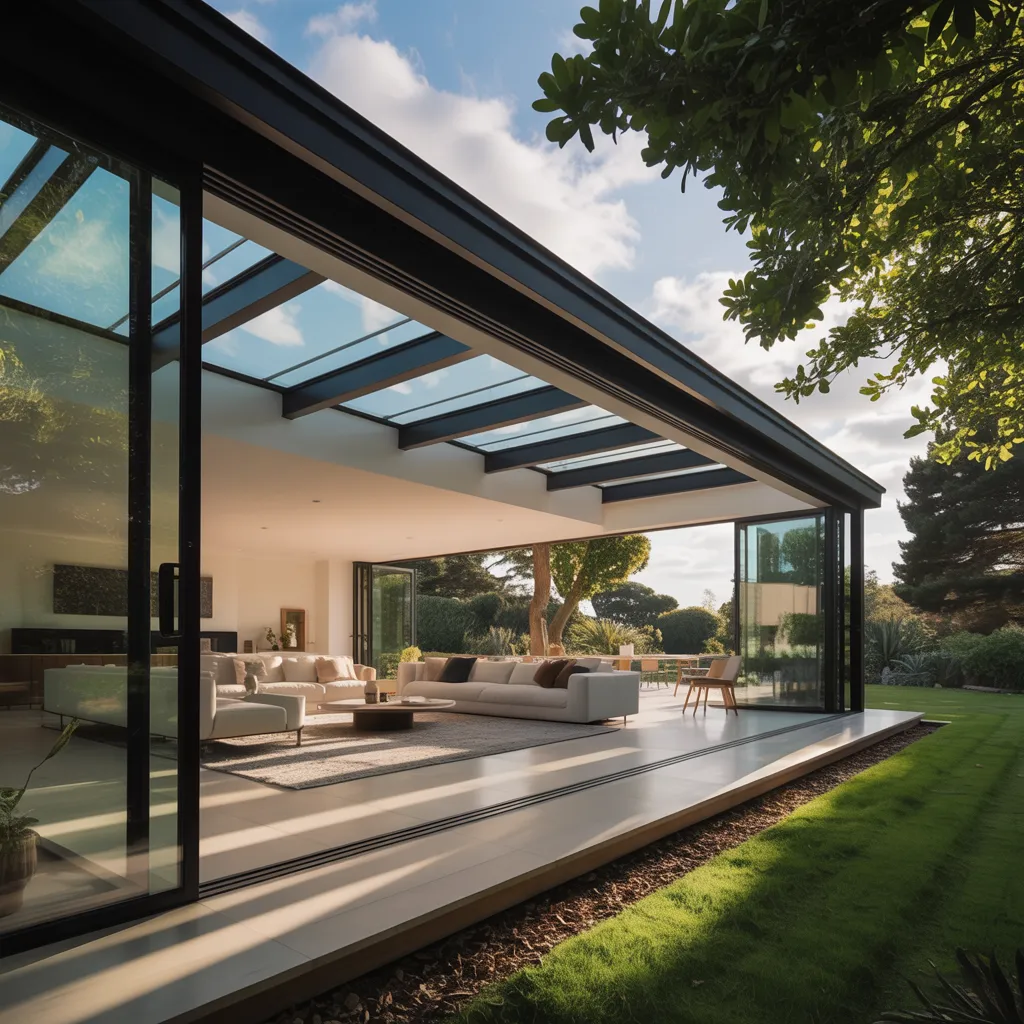
The Positive Aspects of Installing a Modern Roof Lantern
A modern roof lantern stands as a striking architectural feature that boosts both aesthetics and functionality. By allowing natural light to pour into a space, it greatly enhances the character of interiors, forming a bright and inviting environment. This influx of natural light can diminish the dependence on man-made lights, thus encouraging sustainable energy use and potentially cutting electricity bills.
Furthermore, roof lanterns can help regulate indoor temperatures, allowing for better ventilation and air circulation. This can lead to a more pleasant living space year-round. Their versatile designs can complement various architectural styles, rendering them appropriate for both contemporary and traditional homes.
Additionally, a roof lantern can deliver a unique focal point, attracting notice and contributing visual interest to every room. In summary, the installation of a contemporary skylight not only boosts the visual beauty of a home but also increases its practicality and energy efficiency, making it a beneficial feature.
In-Demand Roof Lantern Materials in 2026
In 2026, the selection of options for contemporary roof lanterns reflects a combination of innovation and environmental responsibility. Design professionals and architects increasingly favor eco-friendly options, such as recycled aluminum and sustainably sourced timber. These substances not only reduce environmental impact but also offer a modern appearance.
Glass remains a popular selection, with advancements in eco-conscious glazing technology allowing for enhanced insulation and UV protection. This facilitates homeowners to take advantage of natural light while minimizing energy consumption.
In addition, mixed-material composites are surging in demand, bringing together the longevity of manufactured materials with the charm of natural-looking surfaces. This pattern accommodates both practical and stylistic preferences, sustaining durability while preserving visual appeal.
Ultimately, the materials chosen for roof lanterns in 2026 emphasize both performance and design, producing elegant, eco-conscious options that uplift living spaces while satisfying modern environmental benchmarks.
Unique Roof Lantern Styles to Boost Your Interior and Exterior
Unique roof lantern styles supply a mix of contemporary and classic aesthetics that can markedly enhance both interiors and exteriors. Modern geometric designs present a sleek, modern look, while heritage Victorian characteristics add a touch of elegance and charm. Examining these distinct styles allows homeowners to beautify their spaces with remarkable structural features.
Up-to-date Geometric Designs
Contemporary angular patterns in roof lanterns offer a striking blend of practicality and visual beauty. These modern frameworks often feature crisp edges, angular shapes, and streamlined designs that create a modern look while maximizing natural light. By utilizing elements such as glass and metal, designers deliver a refined, polished appearance that suits various architectural styles. The interaction of light and shadow through these geometric forms improves both indoor and outdoor spaces, producing visually engaging environments. In addition, customizable options allow homeowners to choose sizes and shapes that fit their specific needs, ensuring that each lantern functions as a unique focal point. Ultimately, contemporary angular rooflight designs enhance spaces with their fashionable aesthetics and functional advantages.

Elegant Period Characteristics
While modern styles rule the market, classic Victorian influences in roof lanterns continue to captivate homeowners seeking to improve their inside spaces and outside areas. Characterized by detailed detailing, ornate structures, and refined glasswork, these lanterns exude a sense of timeless charm. The use of wrought iron and stained glass is common, reflecting the craftsmanship of the Victorian era. Homeowners appreciate how these designs create a bold focal point while allowing natural light to flood spaces. In both traditional and contemporary settings, Victorian-style lanterns effortlessly blend history with modernity, offering a distinctive aesthetic that complements diverse architectural styles. As the design landscape evolves, the enduring appeal of classic Victorian influences remains a prominent trend in roof lantern choices.
Finding the excellent Roof Lantern for Your Dwelling?
When deciding on the perfect roof lantern for a home, homeowners should evaluate both visual beauty and functional benefits. The design should reflect the architectural style of the property, whether it be contemporary, traditional, or somewhere in between. Size is another critical factor; the lantern should proportionally fill the space to optimize natural light without overwhelming the room.
Material choices, such as aluminum or wood, can likewise affect the overall look and longevity of the lantern. Homeowners should assess the type of glazing, as options like double or triple glazing can enhance insulation and energy efficiency. Additionally, color and finish should coordinate with existing decor to establish a cohesive appearance.
Practical concerns, such as ease of maintenance and installation requirements, are equally noteworthy. Ultimately, a well-chosen roof lantern can elevate a home's interior while providing long-term practicality and aesthetic charm.
Sustainable Roof Lantern Integration
By integrating sustainable practices into roof lantern construction, homeowners gain an opportunity to enhance both aesthetics and environmental responsibility. Contemporary roof lanterns can be manufactured from sustainable resources such as reclaimed wood and recycled aluminum, reducing the environmental impact associated with production. Additionally, designers are increasingly emphasizing energy-efficient glazing that optimizes natural light while reducing heat loss, leading to lower energy bills.
Moreover, adding solar panels into roof lantern configurations permits for capturing renewable energy, further promoting sustainability. The application of low-VOC paints and finishes guarantees healthier indoor air quality, aligning with eco-conscious living.
An emphasis on sustainable integration not only elevates the visual appeal of a home but also reflects a growing trend towards sustainable practices. As homeowners prioritize sustainability, roof lanterns that express these principles will emerge as both aesthetically pleasing and accountable investments.
Simple Care Advice for Your Roof Lantern
Consistent maintenance is essential for preserving the beauty and operation of roof lanterns. To ensure optimal performance, it is advised to wash the glass surfaces frequently using a gentle material and a mild cleaning solution. This stops the buildup of dirt and grime that can block natural light. Additionally, inspecting the seals and gaskets for wear or damage is critical; changing them quickly can avoid leaks and preserve energy efficiency.
Reviewing the frame and supporting structure for rust or corrosion will support the staying power. If metal components reveal deterioration, administering a protective layer can lengthen their lifespan. In addition, during seasonal changes, it is recommended to remove matter including fallen foliage and snow that may accumulate on the lantern.
Commonly Posed Questions
What Typical Expenditures Should You Anticipate for Modern Roof Lanterns in 2026?
In 2026, the average expenditures of modern roof lanterns range from $1,500 to $5,000, influenced by elements like size, materials, and architectural intricacy, reflecting the changing patterns in residential design and aesthetics.
How Do Roof Lanterns Impact Home Energy Performance?
Roof lanterns boost home energy efficiency by maximizing natural light, reducing reliance on artificial lighting. Their design can optimize ventilation, allowing for better thermal control, ultimately contributing to decreased power needs and more sustainable living environments.
Can skylights Be added on existing Roofs?
Roof lanterns are able to be placed on pre-existing roofs, given that building soundness is checked. Expert fitting ensures suitability with the roof configuration and enhances natural light while improving aesthetic appeal and thermal performance in the home.
What Is the Service life of a Contemporary Roof Lantern?
The typical longevity of a modern roof lantern falls within 20 to 30 years, contingent on the composition, maintenance schedule, and the degree of exposure to environmental factors. Proper maintenance can boost durability and operational efficiency as years go by.
Can roof lanterns function across all types of climates?
Roof lanterns can prove suitable for various climates, provided they are well-engineered and installed. Insulation, materials, and water drainage factors are vital to ensure performance further information and durability in both extreme heat and cold environments.